
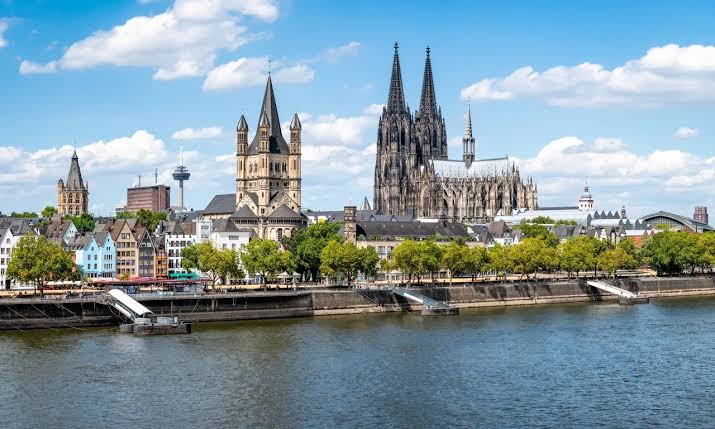
Cologne Cathedral Germany: Complete Pilgrimage & Visitor Guide
Cologne Cathedral (Kölner Dom), officially the High Cathedral of Saint Peter and Mary, is a UNESCO World Heritage site and Germany’s most visited landmark. Built over 632 years to enshrine the relics of the Three Magi, this monument of High Gothic architecture along the Rhine River draws millions of pilgrims and cultural travelers worldwide for its towering 157-meter spires and sacred medieval art.
What Are the Visiting Hours and Ticket Logistics for Cologne Cathedral?
Admission to the main liturgical nave of Cologne Cathedral is completely free, while ascending the South Tower and visiting the Cathedral Treasury require separate paid admissions. General visitor access is open Monday through Sunday from 06:00 to 20:00, with tourist entry restricted during scheduled religious liturgies and Sunday mornings.
Admission Pricing & Ticket Tiers
- Main Nave & Transept: Free for individual visitors, pilgrims, and worshippers.
- South Tower Ascent: €6.00 for adults, €3.00 for students/children, or €12.00 for a family pass (entry via the outdoor entrance on the Domplatte).
- Cathedral Treasury (Domschatzkammer): €6.00 for adults, €3.00 for students/children (located at the northern facade).
- Combined Tower & Treasury Pass: €10.00 for adults, €5.00 for students/children.
- Guided Group Tours: Must be registered through the Domforum visitor center; uncertified third-party guiding is prohibited inside the nave.
How to Reach the Cathedral
Cologne Cathedral sits directly adjacent to Köln Hauptbahnhof (Central Station). Exit the station’s southern main portal, and the cathedral’s western facade is less than 50 meters away via the station stairs or elevator. If arriving via the Cologne-Bonn Airport (CGN), board the S-Bahn line S19 or the Regional-Express RE6 directly to Köln Hbf (15-minute transit time).
Worship Schedule vs. Tourist Etiquette
- Weekday Masses: Celebrated at 06:30, 07:00, 08:00 (High Altar), 09:00, and 18:30.
- Sunday & Solemnity Masses: 07:00, 08:30, 10:00 (Solemn Pontifical Mass), 12:00, 17:00, and 18:30.
- Etiquette Standards: Tourist walking and photography strictly cease 15 minutes before services begin. Security personnel enforce quiet reflection, and bulky backpacks or luggage exceeding 30x20x10 cm are barred from entry; use the luggage lockers inside Köln Hauptbahnhof.
What Makes Cologne Cathedral’s History and Architecture Unique?
Cologne Cathedral represents the pinnacle of High Gothic architecture along the Rhine River, designed using French Rayonnant proportions to dwarf contemporary medieval structures. Foundation stones were laid on August 15, 1248, driven by the necessity to house the Shrine of the Three Kings, transforming Cologne into one of Christendom’s four foremost pilgrimage destinations alongside Jerusalem, Rome, and Santiago de Compostela.
Key Sacred Relics and Works of Sacred Art
- The Shrine of the Three Kings (Dreikönigenschrein): Crafted by Nicholas of Verdun between 1190 and 1225, this triple-decked basilica reliquary of gold, silver-gilt, and ancient gemstones holds the bones said to belong to the Biblical Magi, brought from Milan in 1164 by Archbishop Rainald von Dassel.
- The Gero Cross (Gero-Kreuz): Carved out of oak around 970 AD, this monumental crucifix in the St. Cross Chapel is the oldest surviving large-scale wooden crucifix north of the Alps and a seminal masterpiece of Ottonian art.
- The Milan Madonna (Mailänder Madonna): A High Gothic wooden sculpture from approximately 1290, replacing the lost original brought alongside the Magi relics.
- The Richter Window: Unveiled in 2007 in the South Transept, contemporary artist Gerhard Richter arranged 11,263 mouth-blown glass squares in 72 colors randomly via a computer algorithm, revitalizing light destroyed by World War II bomb damage.
Architectural Masterpieces to Observe
- The Western Facade: Measuring 7,000 square meters, it remains the largest church facade ever constructed, entirely carved with Gothic stone tracery, pointed lancets, and decorative gargoyles.
- Skeletal Rib Vaulting: The central nave vaults reach 43.35 meters high, supported externally by two tiers of delicate flying buttresses that channel lateral roof thrust outward to permit sheer walls of glass.
- The Choral Arcades: Completed in 1322, the choir houses medieval carved stalls made of black marble and oak, encircled by 14 painted pillar statues depicting Christ, the Virgin Mary, and the Twelve Apostles.
Step-by-Step Route: What to See Inside Cologne Cathedral
Following this sequential walking path preserves the spiritual flow of the building and keeps foot traffic clear during peak hours:
- Enter via the West Central Portal: Pause beneath the tympanum carvings before stepping onto the center axis to absorb the 144-meter-long nave view toward the Eastern Choir.
- Examine the Richter Window (South Transept): Gaze up into the south arm to observe how morning and midday sunlight projects pixelated fields of jewel-toned light over the Gothic stonework.
- Cross to the North Aisle Windows: Inspect the five preserved 16th-century Renaissance stained-glass bays depicting the Adoration of the Shepherds and the Genealogies of Christ.
- Circumambulate the Ambulatory: Walk clockwise around the High Altar to stand directly behind the main choir rail, viewing the gold reliefs of the Shrine of the Three Kings illuminated in the apse.
- Venerate the Gero Cross: Stop in the ambulatory’s northern St. Cross Chapel to view the dramatic posture and carved emotional weight of the 10th-century crucifix.
- Ascend the South Tower: Exit through the western portal and descend to the exterior subterranean tower entrance to begin climbing Cologne Cathedral South Tower (533 winding stone steps leading past the St. Peter Bell to a 100-meter open-air gallery).
What Are the Best Insider Tips for Visiting Cologne Cathedral?
- Seek Solitude in the Lady Chapel (Marienkapelle): When the central nave is loud with tour murmurs, step into this eastern choir chapel for private prayer; it houses the exquisite 15th-century Altarpiece of the City Patrons by Stefan Lochner.
- Time Your Tower Ascent for the St. Peter Bell: The 24-ton “Fat Peter” (Dicker Pitter) is the world’s largest free-swinging bell on a straight yoke; standing on the belfry level at 53 meters during midday ringing delivers an incredible physical resonance.
- Avoid the Central Restrooms on the Domplatte: Skip the congested paid facilities outside the western entrance; cross into Köln Hauptbahnhof’s lower shopping concourse or visit the museum amenities in the adjacent Museum Ludwig.
- Capture the Iconic Rhine River Panorama from Triangle Tower: The best postcard view of the Cathedral silhouetted over the river is not from the plaza; walk 10 minutes east across the Hohenzollern Bridge to the KölnTriangle observation deck on the Deutz riverbank.
Frequently Asked Questions About Cologne Cathedral Germany
How many steps is the South Tower climb at Cologne Cathedral?
Climbing the South Tower requires ascending 533 spiral stone steps to a height of approximately 100 meters above ground level. There is no elevator service, and the narrow staircase operates as a bi-directional spiral with resting niches at the belfry level.
Can you visit Cologne Cathedral during Sunday services?
General tourist sightseeing and walking tours are prohibited during religious services and Sunday Morning Pontifical Mass. Visitors may enter quietly to sit and participate in the worship service, but casual photography and ambulatory exploration are suspended.
Are backpacks allowed inside Cologne Cathedral?
Small everyday handbags and daypacks under 30x20x10 cm are permitted following manual security screenings at the main entrance. Large trekking backpacks, roll-aboard suitcases, and hard-sided cases are completely forbidden inside the nave and must be stored at Köln Hauptbahnhof.
Where is the best view of Cologne Cathedral and the Rhine River?
The most expansive viewpoint of the cathedral framing the Rhine River is from the top deck of the KölnTriangle in Deutz, located across the Hohenzollern Bridge. Walking midway across the pedestrian path of the Hohenzollern Bridge also provides unobstructed, low-angle views of the cathedral’s eastern choir.